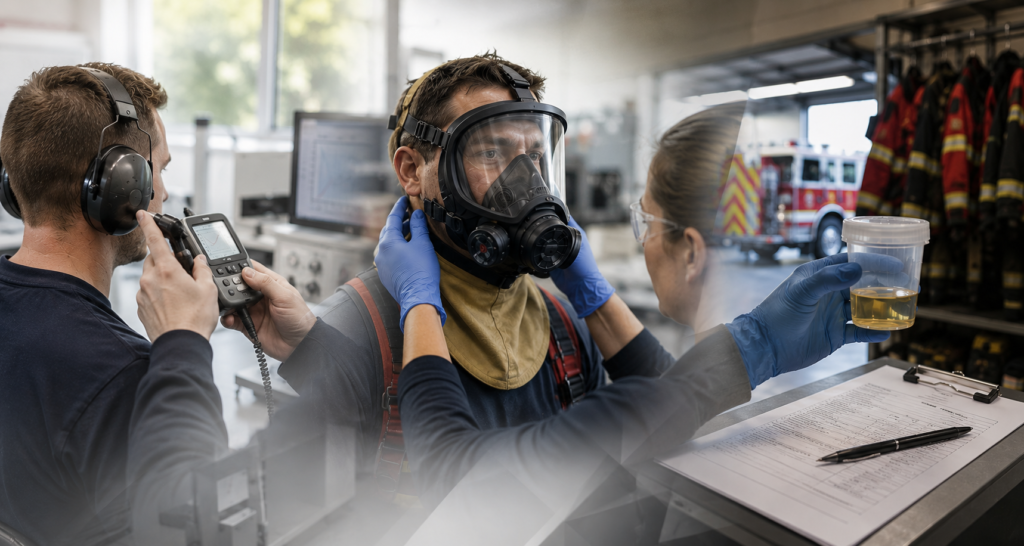
Our Occupational Health Division supports our prevent and detect
approach to first-line safety management.
What This Covers
Drug and Alcohol Testing
Testing Services
- Pre Employment Testing
- Pre Access Testing
- Post Incident Testing
- Reasonable Suspicion Testing
- Fully Qualified and Certified Technicians
Drug Lab Test (Urine 7 panel DOT and Non-DOT)
- Collected and then sent for testing in a SAMHSA and DOT certified laboratory
- Negative results will be returned within 24 hours from receipt
- Non-negative results within 48-72 hours of receipt.
Express Drug Testing
- Available at any of our locations
- Mobile services available
- Results within minutes
- Non-negative results are lab tested – see below
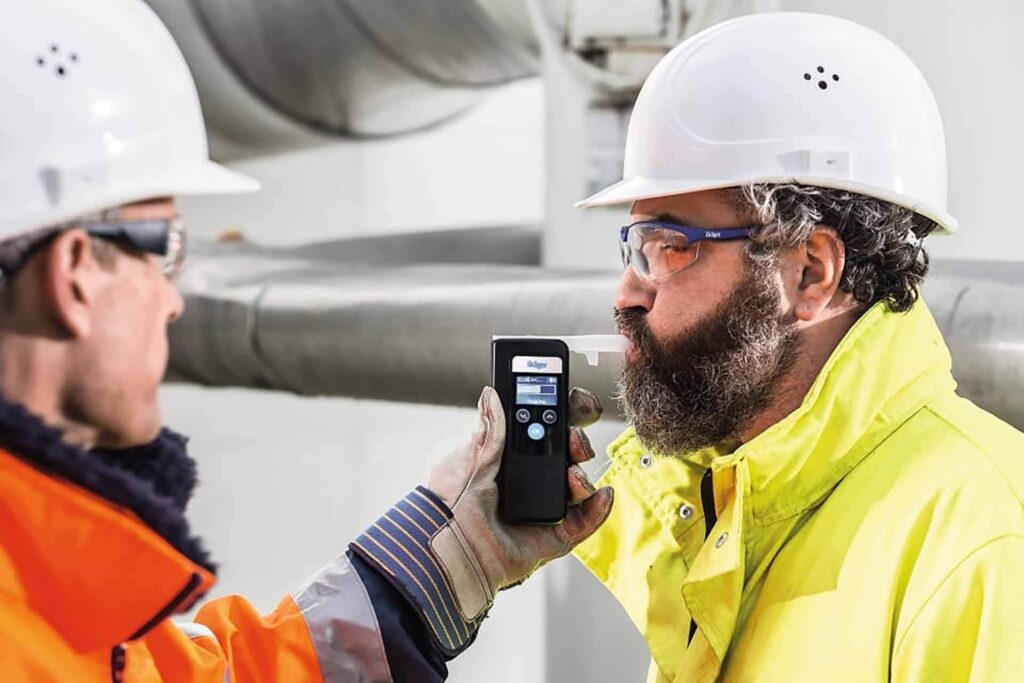
Alcohol Testing- (DOT approved)
- Legally defensible
- Breath Alcohol Concentration (BAC) is tested immediately
- No lab time required – mobile, immediate screening
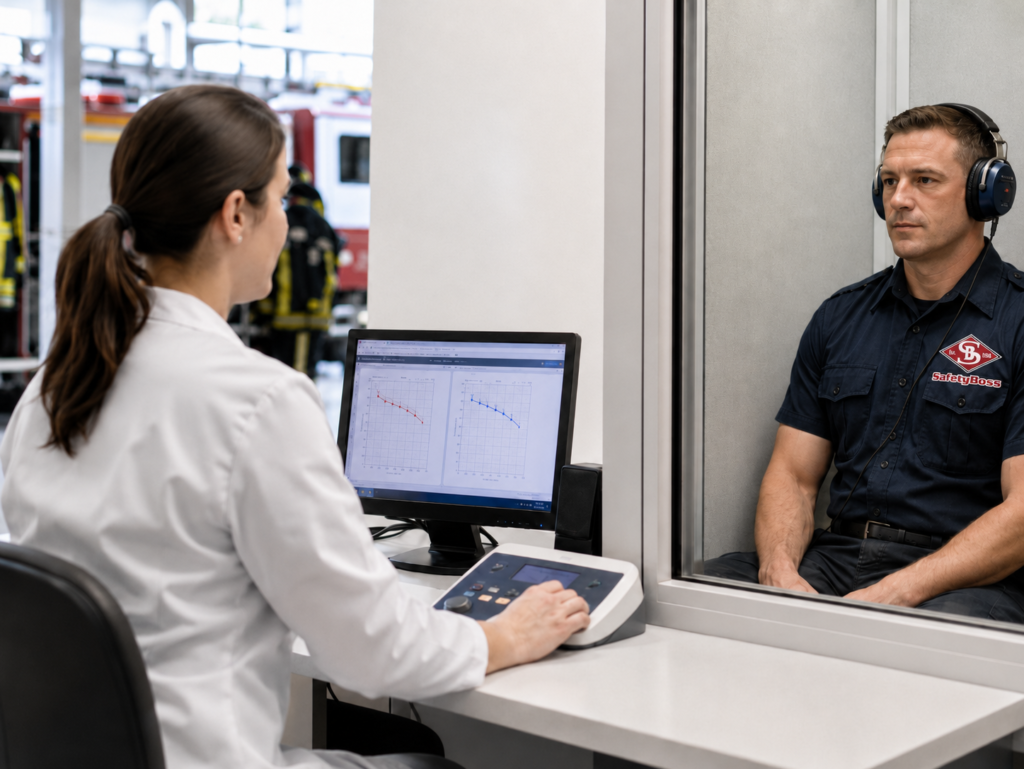
Audiometric Testing
What We Offer
- OH&S recognized service
- Mobile services available
Why You Need It
Alberta requirements
- An employer must provide, at the employer’s expense, the following audiometric tests for a worker exposed to excess noise:
- an initial baseline test as soon as is practicable, but not later than six months after the worker is employed or within six months after a worker is exposed to excess noise because of a change in the worker’s duties or process conditions
- not more than 12 months after the initial baseline test
- at least every second year after the test
British Columbia Requirements
- The employer must give workers who are exposed to noise that exceeds noise exposure limits:
- an initial hearing test as soon as practicable after employment starts, but not later than 6 months after the start of employment
- a test at least once every 12 months after the initial test
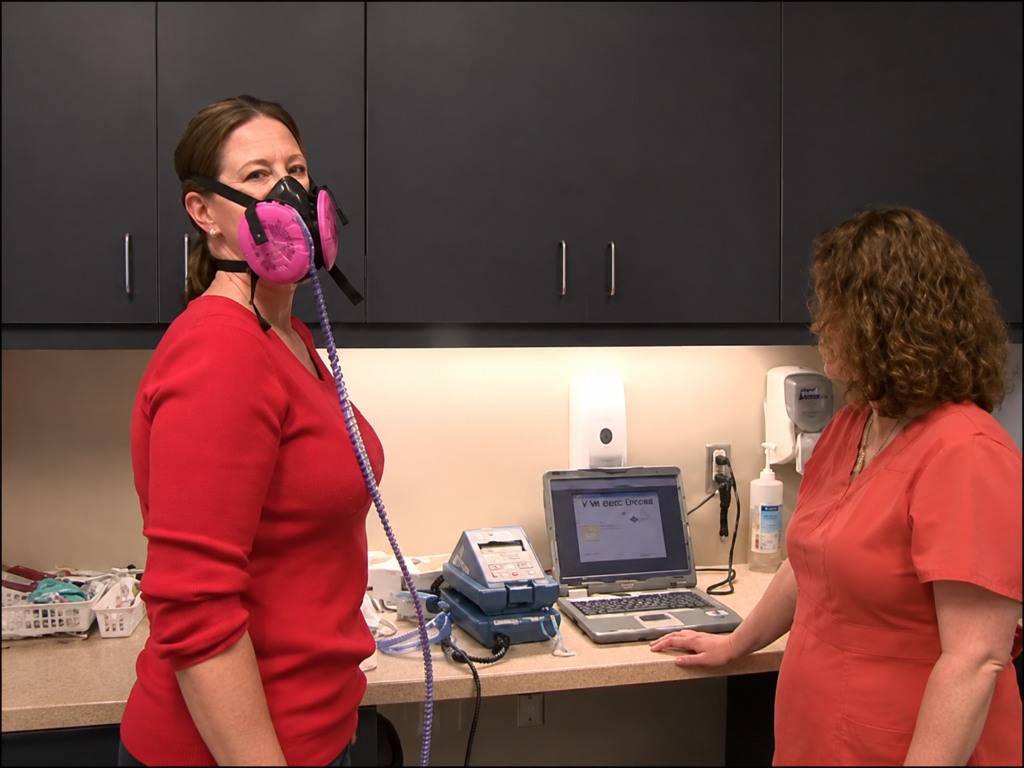
Respirator Fit Testing
We Offer The Following:
- Qualitative Fit Testing
- A qualitative fit test is a pass/fail test to assess respirator fit based on the individual’s response to a test
- Quantitative Fit Testing
- A quantitative fit test assesses respirator fit by numerically measuring leakage into the respirator with a PortaCount fit test machine.
A Fit Test Shall Be Carried Out
- After completion of user screening
- After or during training
- Prior to initial use of a tight-fitting respirator
- When changes to a user’s physical condition (e.g., significant weight change or changes to facial or dental features) could affect the respirator fit
- When there is a change in respirator (e.g., make, model, size)
- When a respirator user experiences continued significant discomfort during use or difficulty in completing a successful user seal check
- When there is a change in PPE use that could affect the respirator
- At least every 2 years
- Required every year in BC